Cordyceps, backed by science & the Himalayas
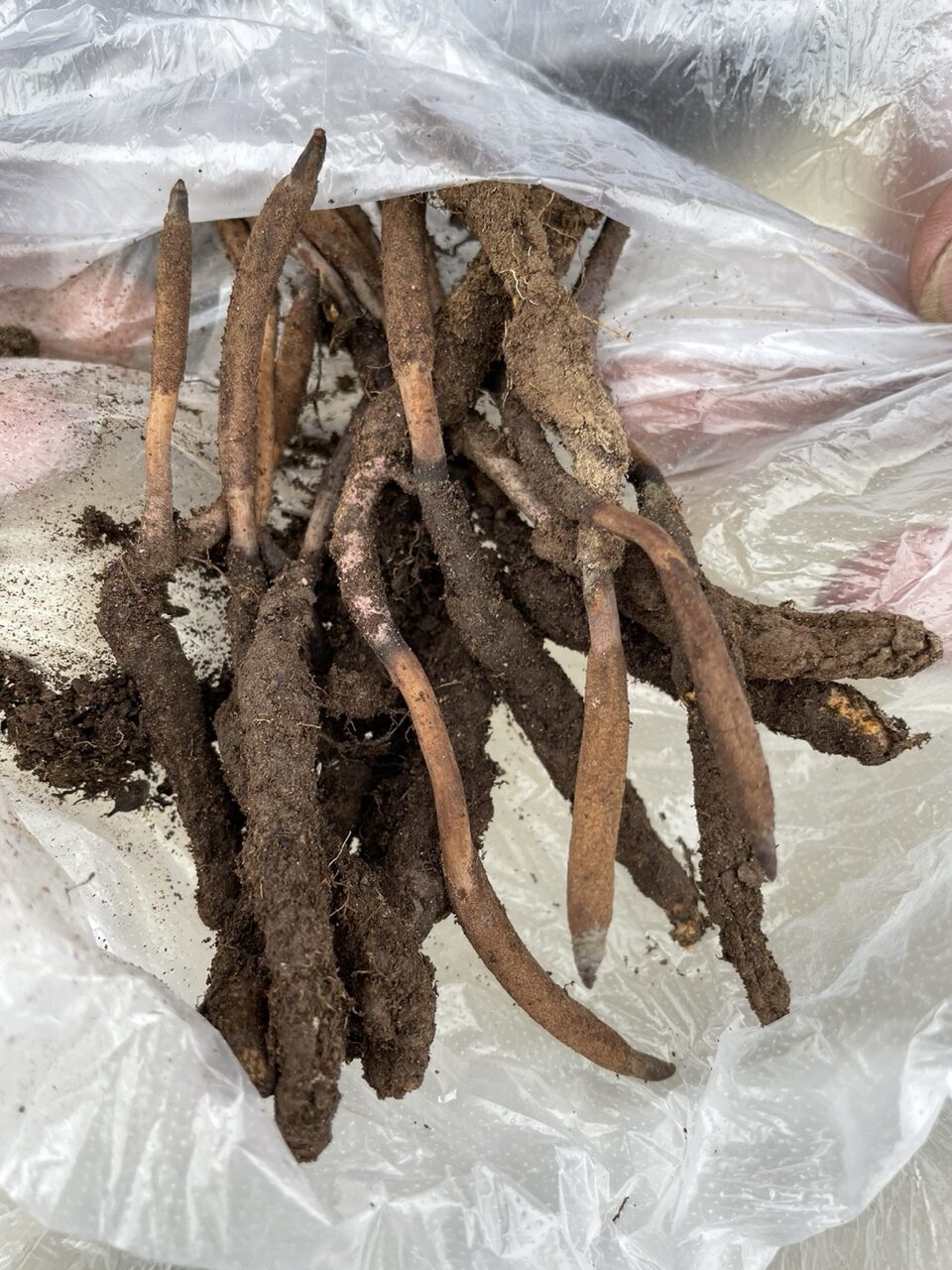
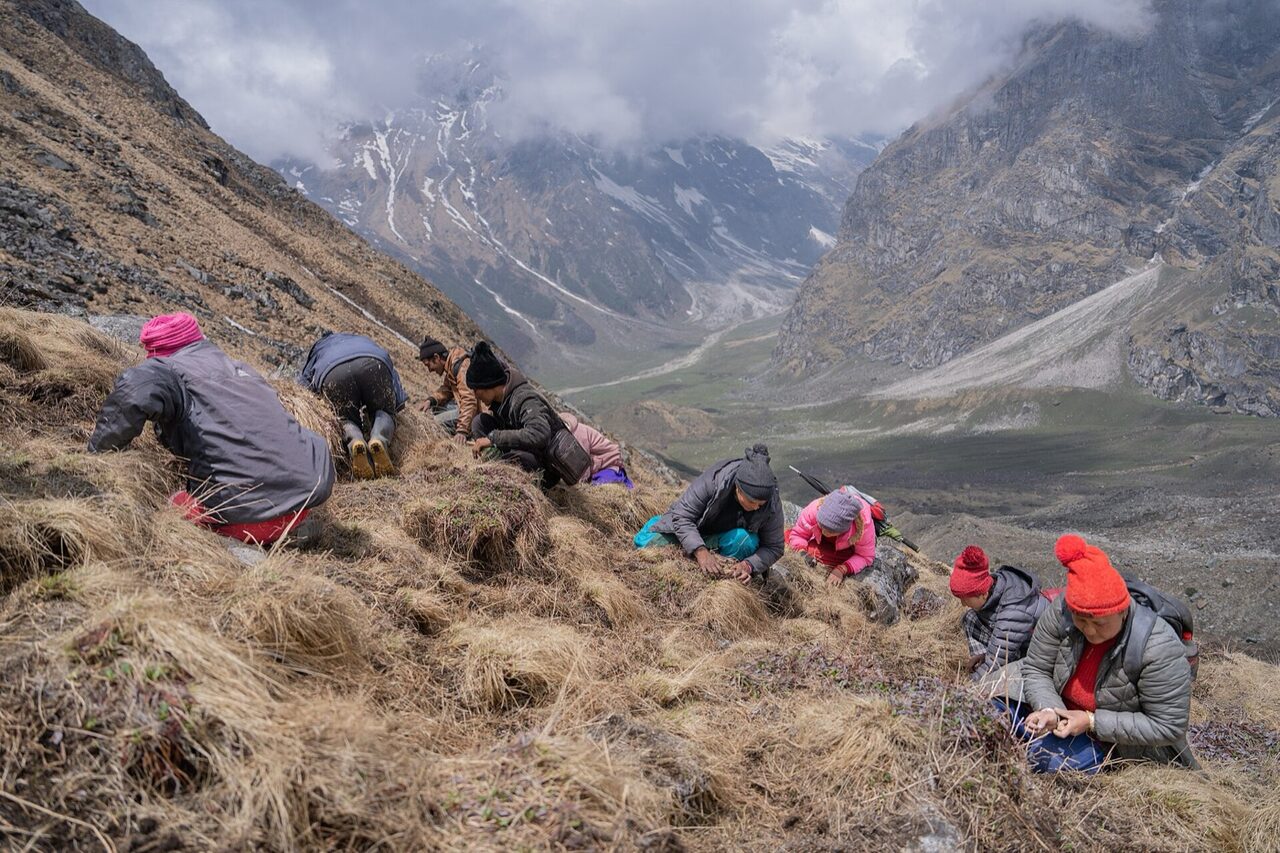
Kida Jadi (Ophiocordyceps sinensis) — the legendary caterpillar fungus treasured for centuries as a traditional vitality tonic. Sourced ethically from 3,500m+ Himalayan meadows.
- 3,500m+
- Sourced altitude
- 100%
- Lab-tested
- 4.8★
- Avg. rating
Active compounds studied in cordyceps
Cordycepin
3′-deoxyadenosine — the signature bioactive
Adenosine
Nucleoside involved in energy metabolism
Beta-glucans
Polysaccharides that support immunity
Cordycepic acid
D-mannitol, a traditional tonic component
Lab-tested cordyceps

Cordyceps + Shilajit Vitality Combo

Premium Wild Himalayan Cordyceps — Grade A

Nepal Yarsagumba — Grade A+ Whole

Pure Cordyceps Sinensis Powder

Cordyceps Militaris — Fresh-Dried Whole
What is Kida Jadi?
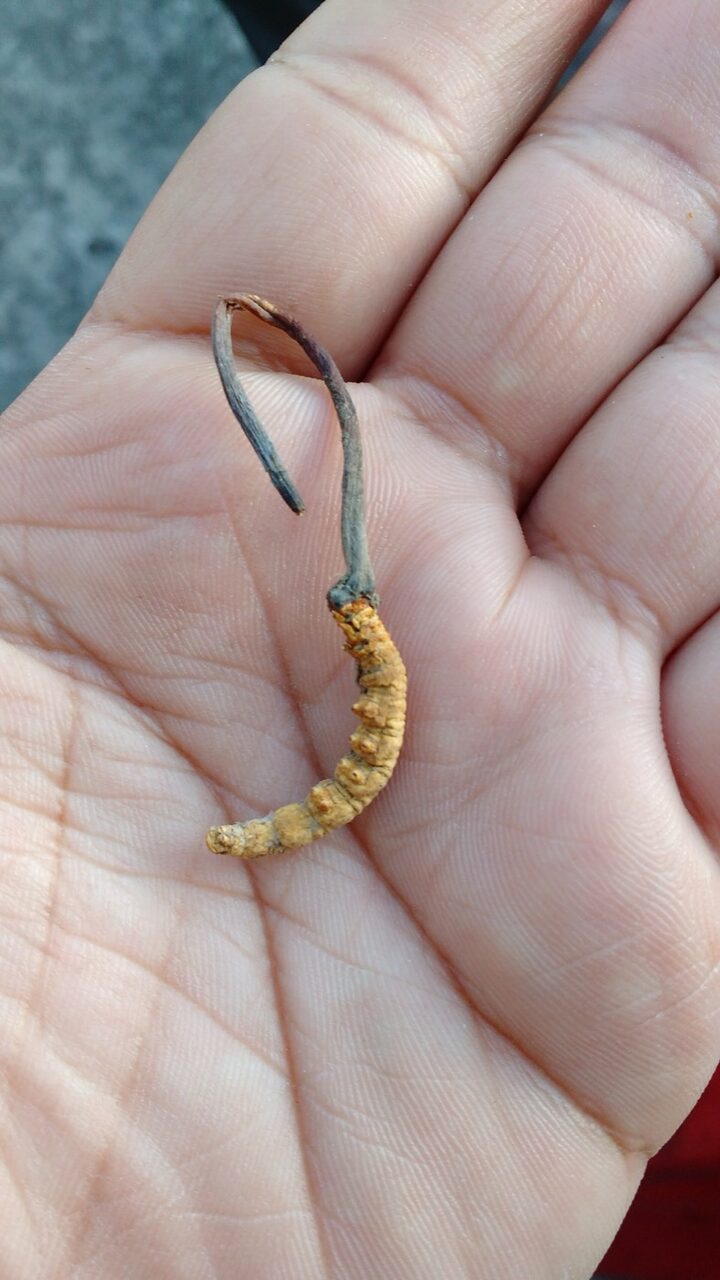
Kida Jadi — Ophiocordyceps sinensis — is the Himalayan caterpillar fungus, a fungus that grows from a mummified caterpillar at 3,000–5,000 m. Revered for over a thousand years and now studied for compounds like cordycepin.
- Wild-harvested from high-altitude Himalayan meadows
- Lab-tested for purity, potency and contaminants
- Honest, evidence-informed guidance — no miracle claims
What cordyceps is valued for
Time-honoured tonic uses — presented honestly, with the science in perspective.
Energy & Stamina
Traditionally used by highland communities and athletes to support stamina and everyday endurance.
Traditional Vitality Tonic
Long carried a folk reputation as a restorative vitality tonic in the high Himalaya.
Respiratory Health
Traditionally valued in the Himalaya as a warming tonic, particularly by people living and working at high altitude.
Immune Support
A natural source of beta-glucans and polysaccharides — the compounds most widely studied for their role in supporting normal immune function.
Anti-Ageing & Antioxidant
A natural source of antioxidant compounds, supporting healthy ageing and recovery.
Kidney & Liver Tonic
Valued in traditional practice as a restorative, everyday tonic.
Grow cordyceps at home
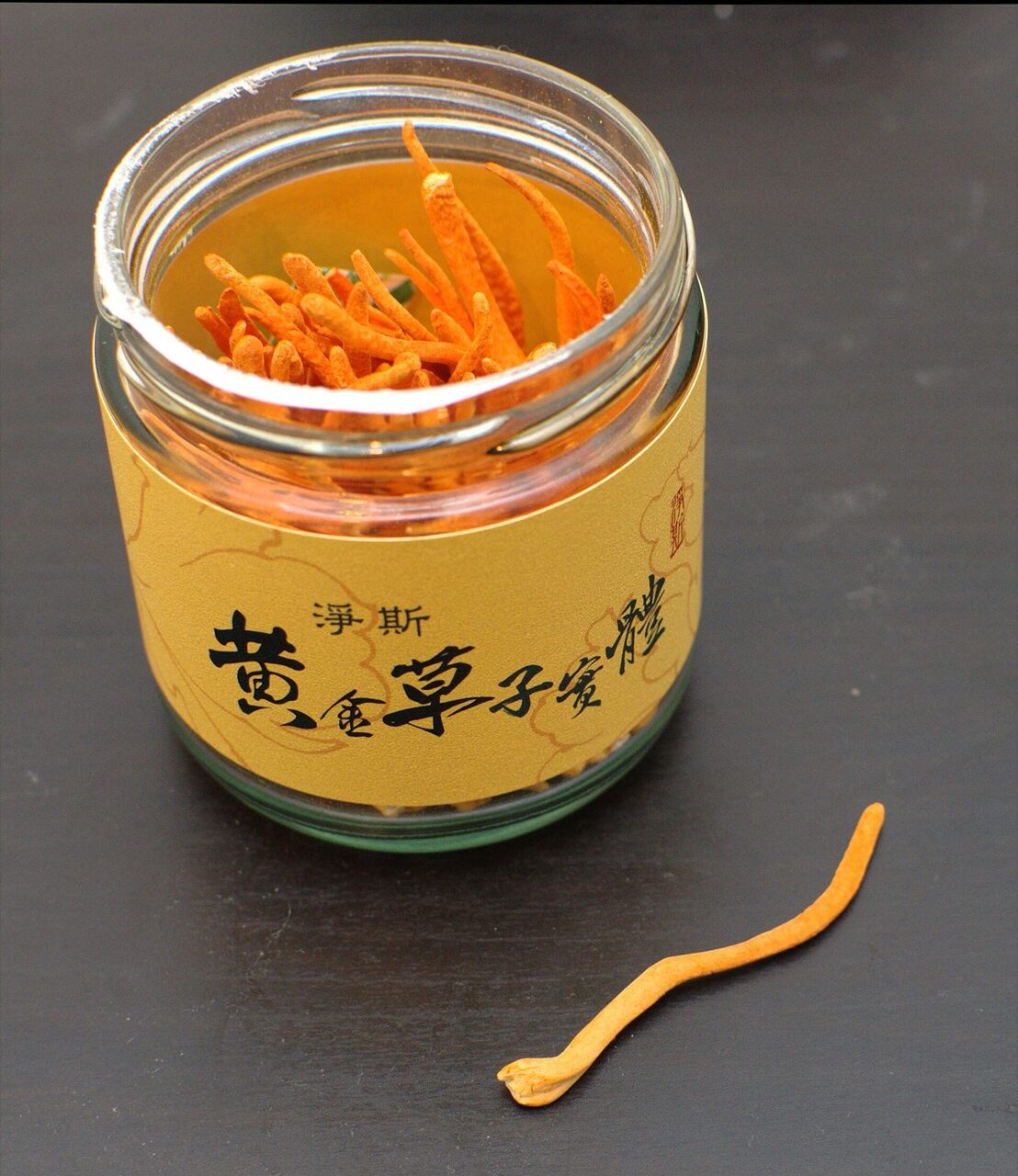
Cultivate cordycepin-rich Cordyceps militaris on your shelf — our step-by-step guide takes you from sterile substrate to harvest.
Trusted by our customers
"The wild cordyceps is the real deal — you can clearly see the caterpillar and stalk. My energy levels through the day have genuinely improved."
Vikram Singh
Delhi
"I take the powder in warm milk every morning. Great quality, beautifully packed, and delivery was quick. Highly recommend."
Priya Nair
Bengaluru
"As someone from the hills, I know real Keeda Jadi. This is authentic and fairly priced. Trustworthy source."
Karma Bhutia
Gangtok
Latest guides

How to Spot Fake Cordyceps: A Buyer's Guide
Because it's so valuable, cordyceps is one of the most adulterated products on earth. Here's how to protect yourself.

The Conservation Crisis: Can Himalayan Gold Survive?
Overharvesting and climate change are shrinking cordyceps yields. In 2020 the IUCN listed it as Vulnerable.

Wild Sinensis vs Cultivated Militaris: Which Cordyceps Should You Buy?
One is rare Himalayan gold; the other is sustainable and cordycepin-rich. Here's how to choose.
Frequently asked
Need more? Our AI assistant (bottom-right) answers anything about Kida Jadi.
See all FAQs