-
1
1. Plan your space & budget
Start with a small, insulated 100–200 sq ft room split into four zones: a sterile prep/lab corner, an incubation area, a fruiting area, and a drying/packing corner. Real Indian growers have started commercial units in spaces this size for roughly ₹3–5 lakh all-in — budget for equipment, basic civil work (insulation, wiring, flooring) and 2–3 months of working capital before your first sale.
-
2
2. Set up sterile lab equipment
This is the single most important investment: an autoclave or large pressure sterilizer, a still air box (or laminar flow cabinet at larger scale), a digital scale, a pH meter, culture jars or filter-patch spawn bags, and basic inoculation tools. Most beginners buy ready liquid culture or grain spawn from a trusted lab rather than maintaining their own mother culture on agar.
-
3
3. Build your incubation room
After inoculation, jars sit in the dark at 20–24°C for 7–21 days while mycelium colonises the grain substrate. You will need simple wire or aluminium shelving and a steady way to hold this temperature — a small insulated room with a thermostat-controlled AC or heater, monitored with a digital temperature-humidity controller.
-
4
4. Set up the fruiting room
Once colonised, jars move to a cooler, brighter, more humid room: 15–20°C, 85–95% relative humidity, and blue-spectrum LED light for 10–14 hours a day — light is essential, since darkness prevents fruiting entirely. An ultrasonic humidifier and an exhaust fan for fresh-air exchange complete this room.
-
5
5. Harvest, dry & package
Depending on strain and conditions, fruiting bodies mature 35–70 days after inoculation (India's ICAR protocol reports a consistent 35–40 days on brown rice substrate). Harvest, dry to roughly 5% moisture in a food dehydrator, confirm with a moisture meter, then vacuum-seal for storage and sale.
-
6
6. Register & price your product
Register for FSSAI Basic Registration if your turnover is under ₹12 lakh/year — mandatory before selling as food. Research your local market carefully: dried, lab-grown cordyceps has sold anywhere from roughly ₹20,000 to ₹3,00,000+ per kg in India depending on grade and channel, so validate your own achievable price before planning revenue.
-
7
7. Start small, then scale
Run your first 2–3 cycles at small scale to prove contamination control, yield and — most importantly — that you have buyers, before investing in a bigger room or more equipment. Government economic data shows small cordyceps units can struggle to break even, so treat your first batches as validation, not profit.
Quick answer: budget roughly ₹3–5 lakh for a small 100–200 sq ft commercial unit (equipment + basic room setup), and expect your first crop to mature in about 35–70 days (India's ICAR protocol reports 35–40 days on brown rice substrate). Read on for the full equipment list, real India price ranges, where to source each item, and honest do's & don'ts.
Which cordyceps can actually be farmed?
Wild Ophiocordyceps sinensis (Himalayan Yarsagumba / Keeda Jadi) has never been successfully commercially cultivated — it depends on a specific Himalayan caterpillar host at high altitude, which cannot be reproduced in a farm setting. This guide is about commercially growing its cousin, Cordyceps militaris, on a grain/rice substrate — the same species used in our grow kits and by real Indian growers earning income from it today.
Sterile lab & mother culture equipment
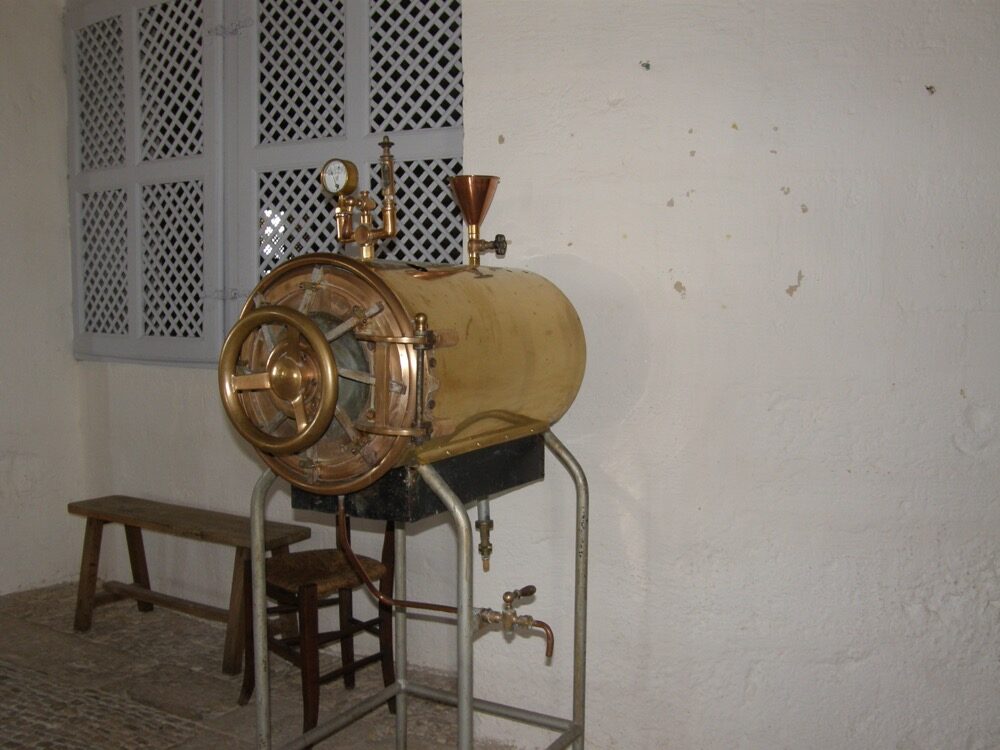
Autoclave / Vertical Pressure Sterilizer
Sterilizes grain substrate jars and lab tools at 121°C/15 psi to kill contaminating mould and bacteria before inoculation — the single most important piece of equipment.
Specs: 35–100 L capacity for small scale; digital time/temperature controller preferred; stainless steel chamber.
Where to buy: Search “vertical autoclave for mushroom cultivation” on IndiaMART/TradeIndia. Sellers found: PSM Scientific Instruments (Bengaluru), Hospharma Equipment Corporation (Thane), Stericox (Delhi). Smallest scale can start with a large stovetop pressure cooker/canner (₹3,000–₹6,000) instead.
₹25,000 – ₹1,25,000
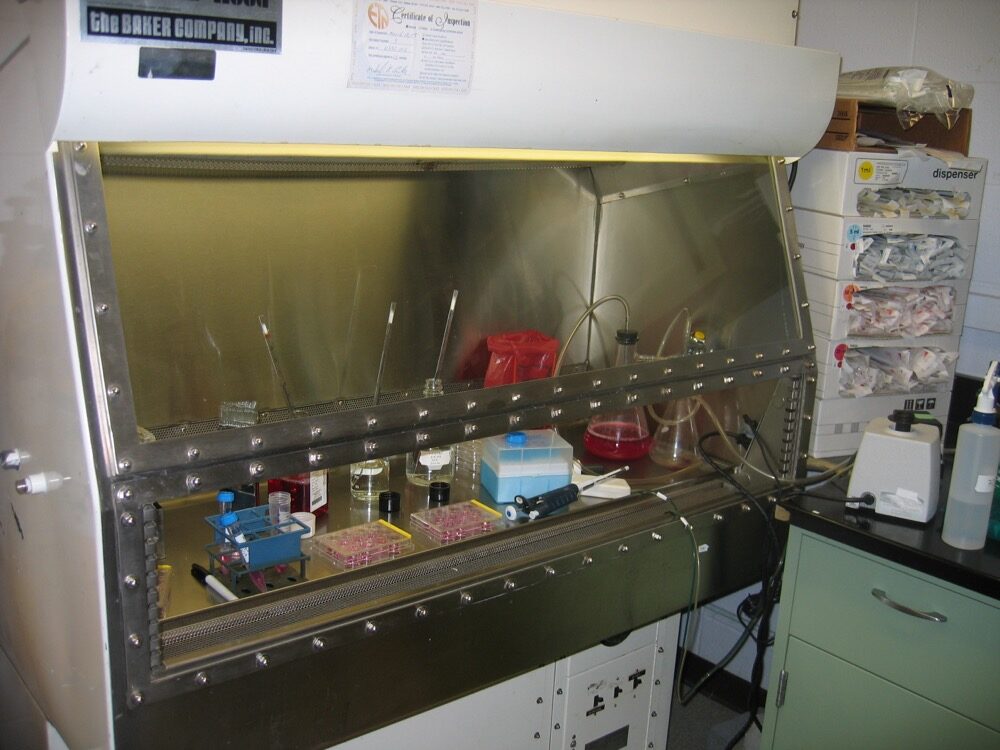
Still Air Box (SAB) or Laminar Flow Cabinet
Creates a low-contamination workspace for transferring culture and inoculating jars, keeping airborne mould spores away from your sterile substrate.
Specs: SAB = sealed box with glove holes, sufficient at small scale. Laminar flow cabinet = HEPA-filtered airflow, needed only at larger scale.
Where to buy: Ready-made still air boxes are sold by Grow The Fun Guy (India). For laminar flow cabinets, search "laminar air flow mushroom" on IndiaMART (e.g. Stericox, BVSE India) — priced on request.
₹1,700 – ₹3,500 (SAB)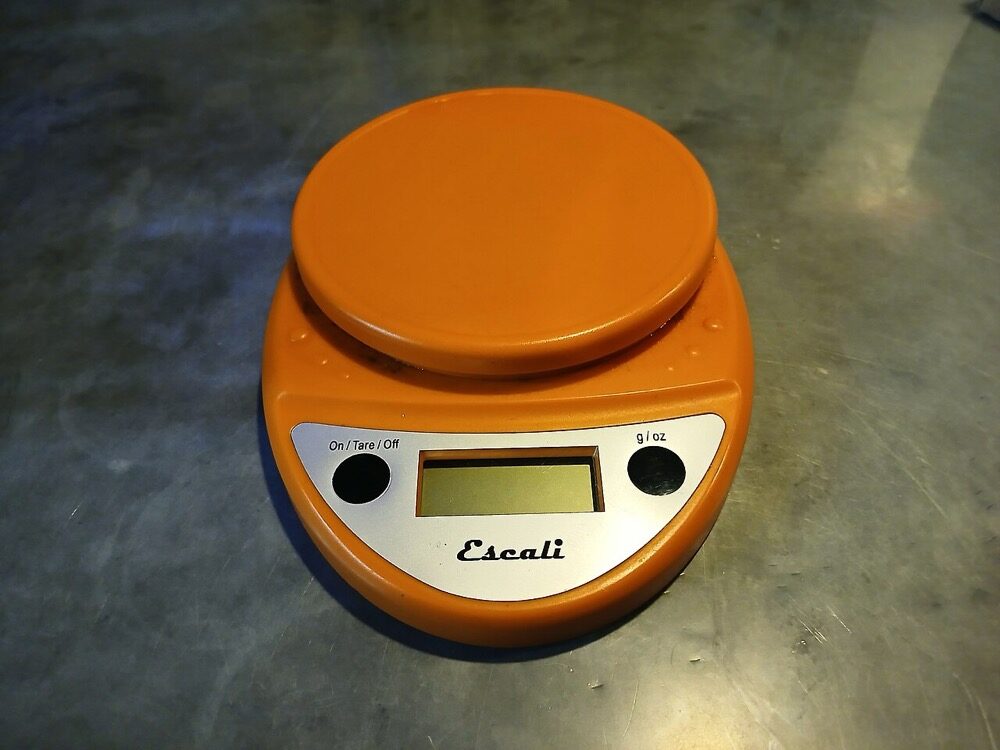
Digital Weighing Scale
Precisely measures substrate ingredients, nutrient additives, and dried yield.
Specs: 0.1–1 g precision, 500 g–5 kg capacity for lab work; a separate 5–10 kg kitchen scale helps for bulk substrate.
Where to buy: IndiaMART category "digital laboratory balance" — basic lab scales from ₹1,250, precision balances ₹9,000–₹28,000.
₹999 – ₹28,000Digital pH Meter
Checks substrate and water pH before sterilization — cordyceps grows best in a slightly acidic to neutral substrate.
Specs: Handheld, 0–14 range, automatic temperature compensation preferred.
Where to buy: Search "digital pH meter" on IndiaMART — budget handheld from ₹850, lab-grade with calibration solutions ₹5,500–₹13,900.
₹850 – ₹45,000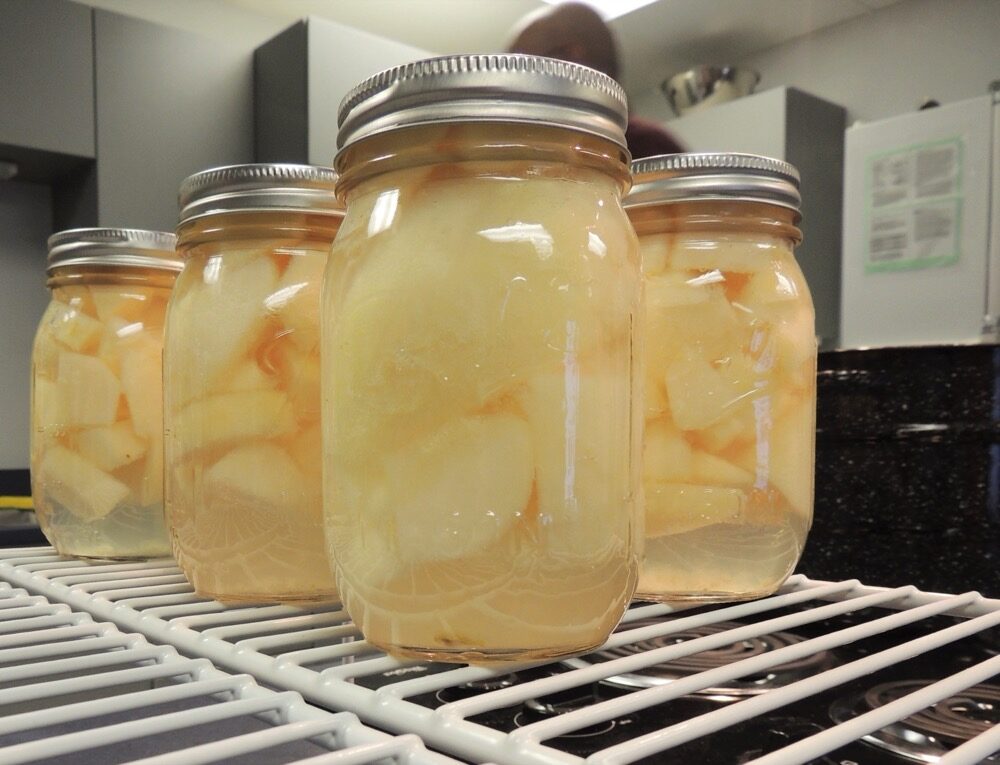
Culture Jars / Filter-Patch Spawn Bags
Holds the sterilized grain substrate during colonization and fruiting; the filter patch allows gas exchange while blocking contaminants.
Specs: Wide-mouth PP jars (500 ml–1 L) with autoclavable lids, or polypropylene spawn bags with a 0.2-micron filter patch.
Where to buy: IndiaMART "polypropylene filter patch mushroom spawn bag".
₹20–24 / bag (~₹2,000–2,400 per 100)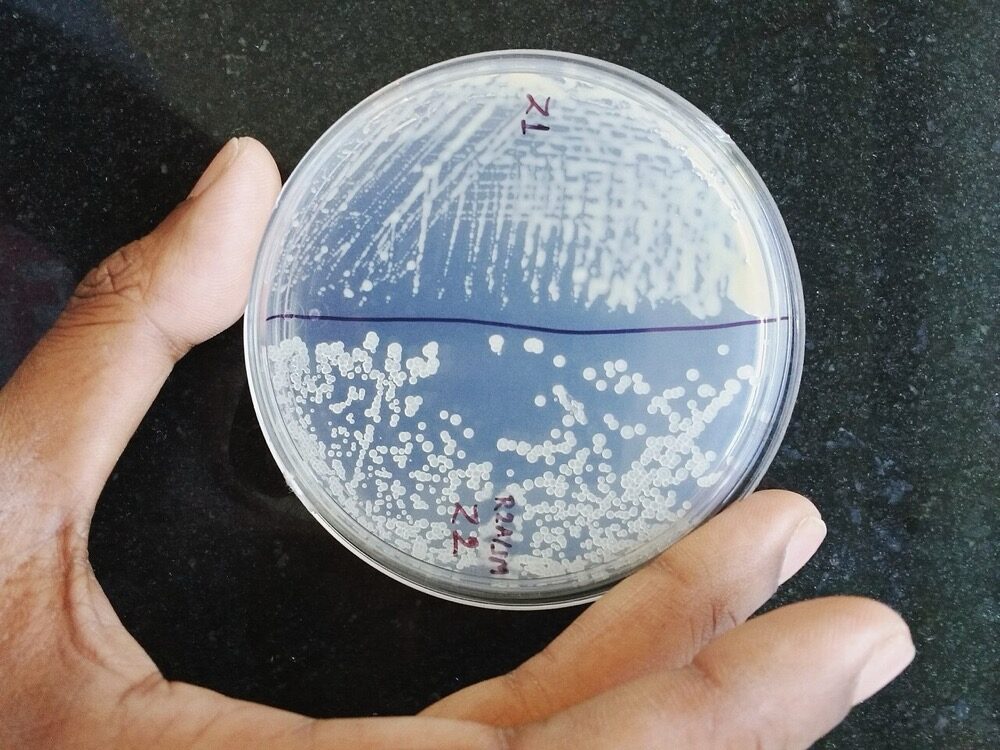
Petri Dishes + Agar (mother culture)
Used to grow and maintain a clean "mother culture" of Cordyceps militaris mycelium before scaling into grain jars. Many beginners skip this and simply buy ready liquid culture/spawn instead.
Specs: 90 mm sterile plastic petri dishes; potato-dextrose agar (PDA) or similar.
Where to buy: IndiaMART "petri dish" and "agar agar powder tissue culture grade" (food-grade agar from ~₹300/kg, tissue-culture grade ~₹3,100/kg).
₹4.50–5.50/dish · ₹250–3,100/kg agar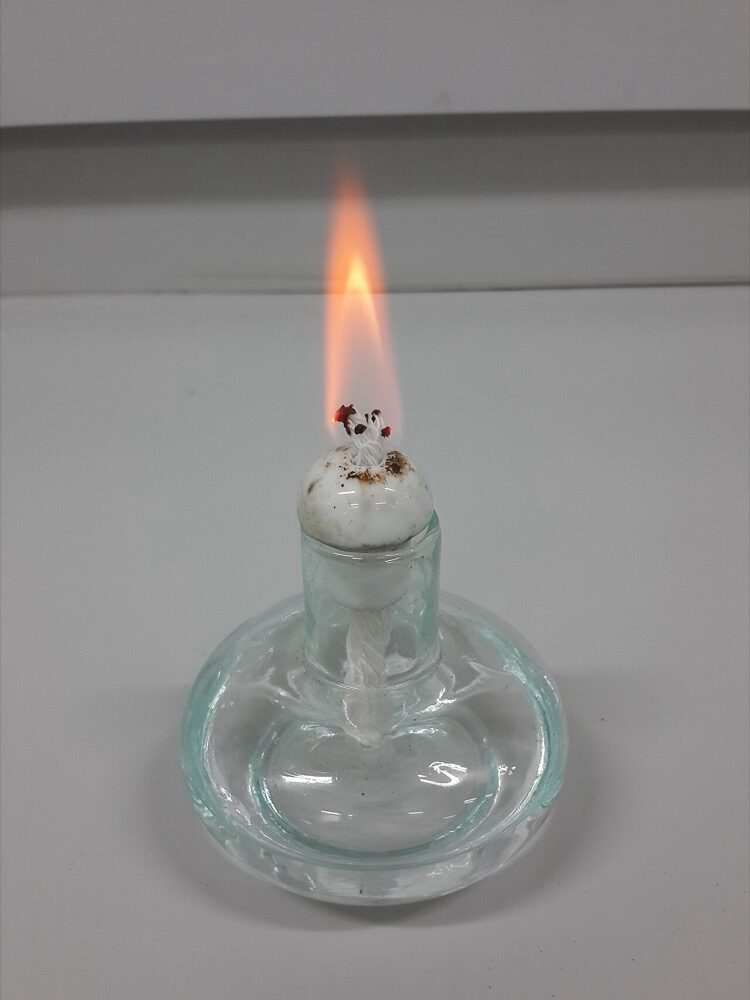
Inoculation Tools (scalpel + spirit lamp)
Sterile transfer of culture into substrate jars; the flame keeps tools sterile between transfers.
Specs: Alcohol/spirit lamp with methylated spirit; disposable scalpels or an inoculation loop.
Where to buy: IndiaMART "laboratory spirit lamp", "disposable scalpel".
₹35–40 lamp · ₹10–60/scalpelIncubation room equipment
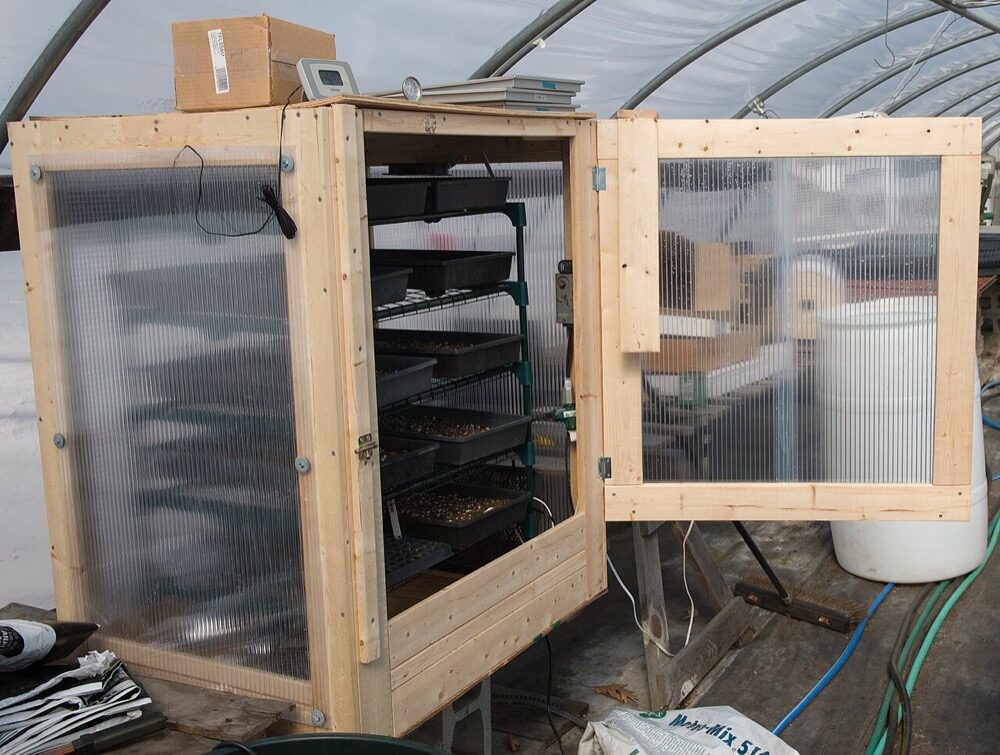
Incubation Chamber / Room + Shelving
A dark, temperature-stable space where inoculated jars sit for 7–21 days while mycelium colonizes the substrate.
Specs: Insulated room or chamber held at 20–24°C, digital thermostat, wire/aluminium shelving to hold jar trays.
Where to buy: A converted small room with basic AC + insulation + shelving is realistic at this budget for small scale. Dedicated stainless mushroom incubators run ₹1.25–2.8 lakh; search IndiaMART "mushroom incubator" and "mushroom growing rack" (basic aluminium shelf from ₹5,500).
₹30,000 – ₹1,50,000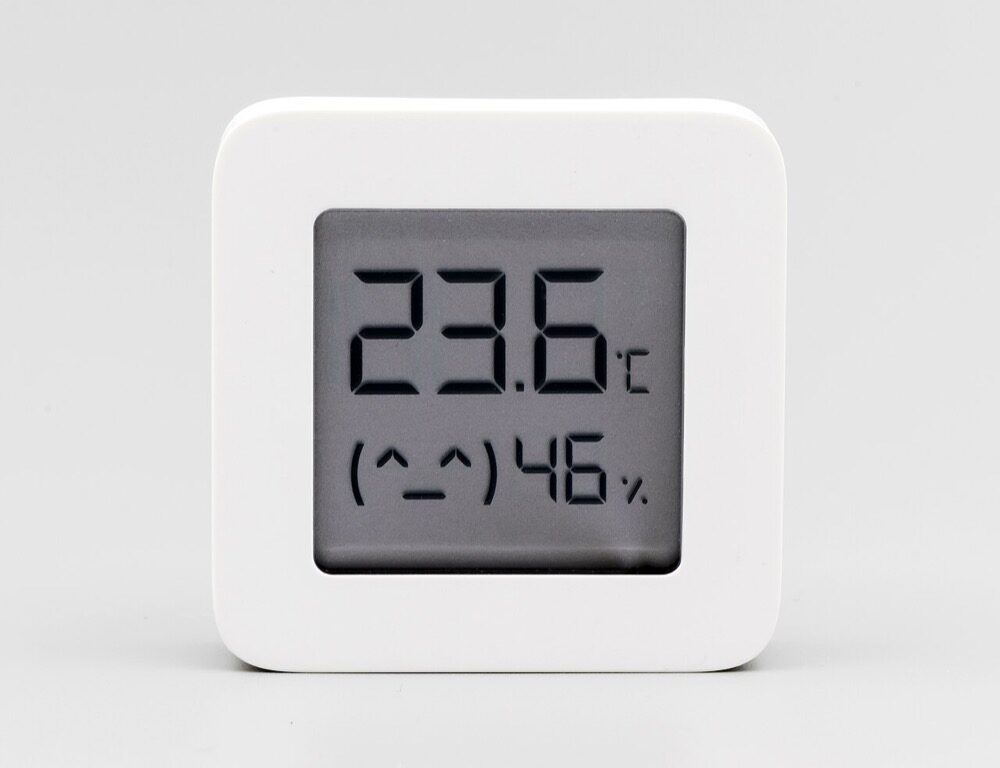
Digital Temperature-Humidity Controller
Automatically maintains the room within the target range and can trigger a fan, humidifier or heater.
Specs: Dual-stage controller (e.g. Inkbird-style) with separate temperature and humidity probes.
Where to buy: No confirmed India retail price was found for a standalone unit during our research — most listings are quote-on-request industrial systems (CAREL India, Meditech Technologies Chennai). Search "temperature humidity controller" on IndiaMART/Amazon.in and get a fresh quote.
₹3,500 – ₹6,000 (estimate)Fruiting room equipment
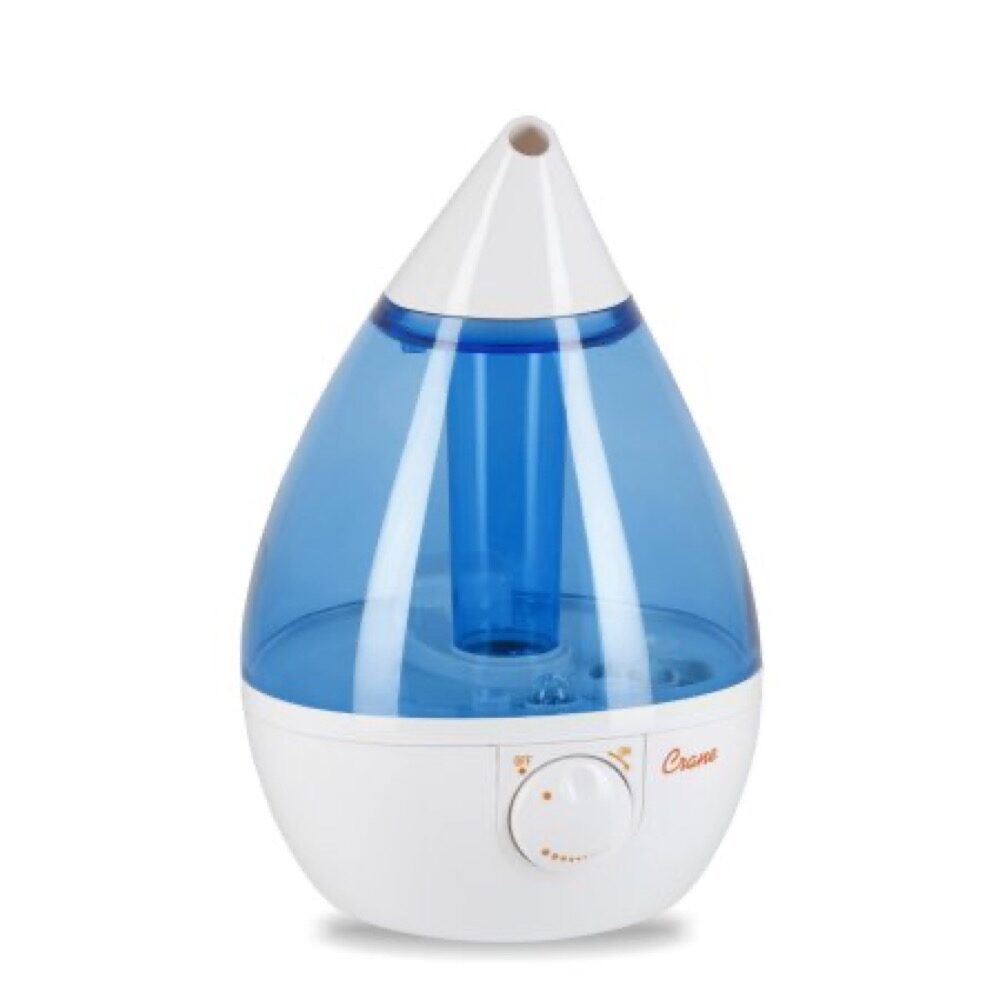
Ultrasonic Humidifier / Fogger
Raises humidity to 85–95% needed for fruiting-body formation once jars move to the fruiting stage.
Specs: Ultrasonic mist type, 5–8 L/hr output, stainless steel tank, covers roughly 400–800 sq ft.
Where to buy: IndiaMART "mushroom humidifier" — commercial ultrasonic units mainly from Ahmedabad/Kadi, Gujarat-based suppliers.
₹21,000 – ₹30,000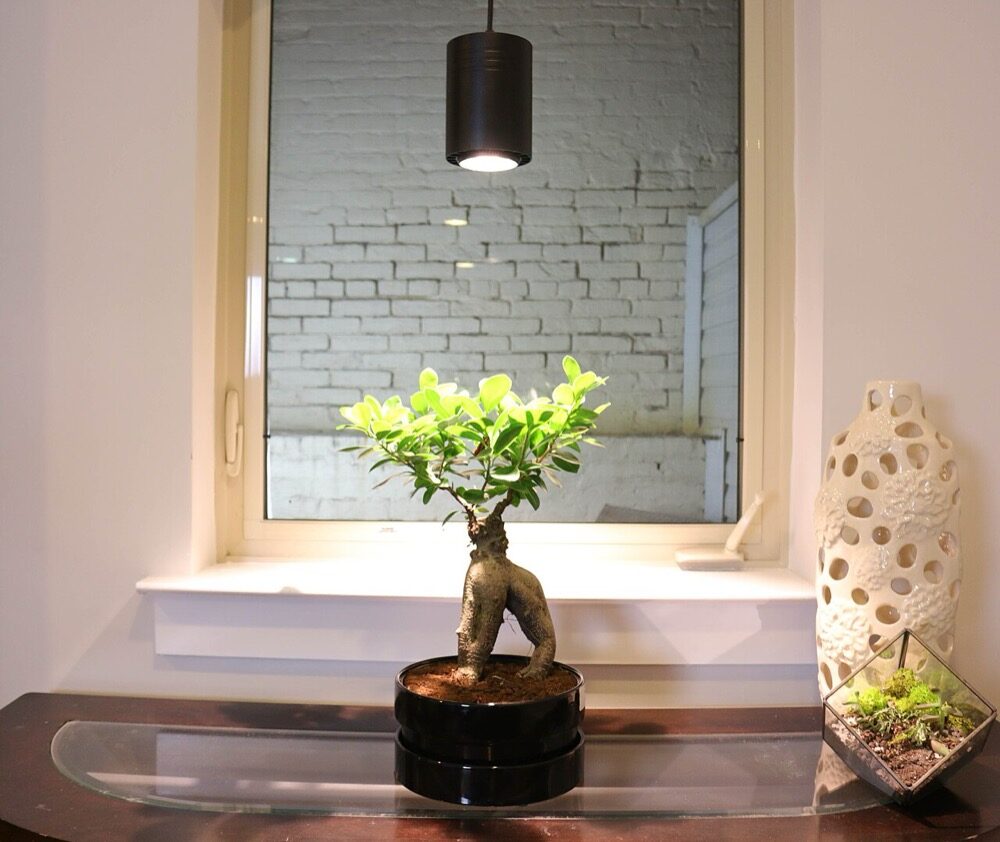
LED Grow Lights (blue spectrum)
Blue light is essential to trigger fruiting-body formation — a blue-light receptor gene (CmWC-1) controls this in Cordyceps militaris, and total darkness prevents fruiting entirely.
Specs: Red:Blue ratio around 2:1 with ~10% far-red is cited as optimal; low intensity, 10–14 hours/day on a timer.
Where to buy: IndiaMART "full spectrum LED grow light red blue" — small 20–40W units from ₹200–2,200; larger dimmable 150–200W fixtures ₹4,000–15,000 (e.g. Fluortronix, Noida).
₹200 – ₹15,000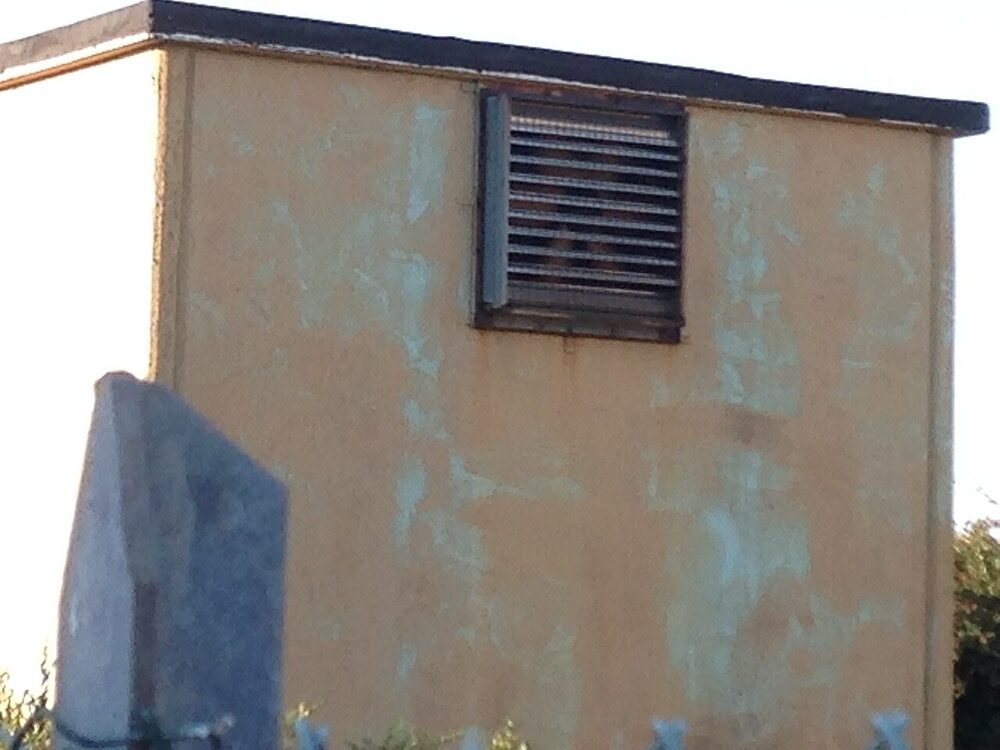
Exhaust Fan / Fresh-Air Ventilation
Removes built-up CO₂ and stale air during fruiting and helps regulate humidity/temperature swings.
Specs: 60W+ mushroom/poultry-style exhaust fan; aim for 2–4 full air changes per hour in the fruiting room.
Where to buy: IndiaMART "mushroom exhaust fan" — mushroom-specific fans ₹15,000–20,500; a generic industrial exhaust fan (₹520–780) is adequate for very small rooms.
₹700 – ₹20,500Harvesting, drying & packaging equipment
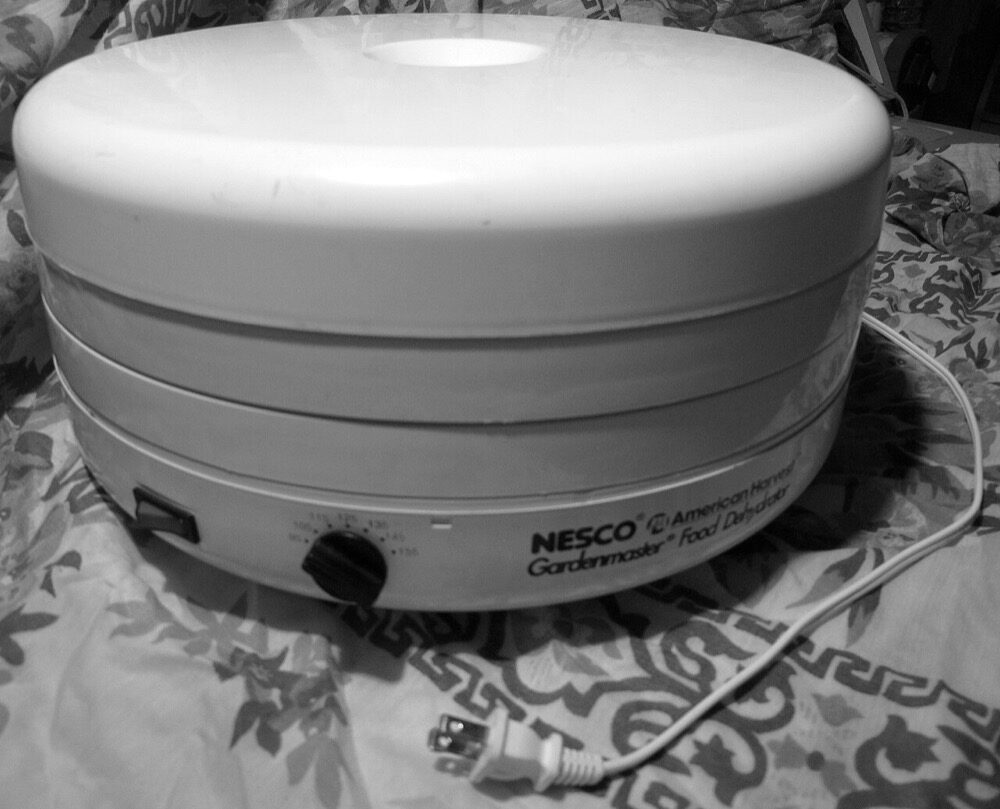
Food Dehydrator
Dries harvested cordyceps down to roughly 5% moisture for shelf-stable storage and sale.
Specs: Multi-tray, adjustable low heat (40–55°C); 8–48 trays depending on scale.
Where to buy: IndiaMART "food dehydrator" (entry-level multi-tray) or "mushroom dryer machine" for a dedicated unit — e.g. Shree Abhirami Engineering, Coimbatore (price on request).
₹14,500 – ₹37,000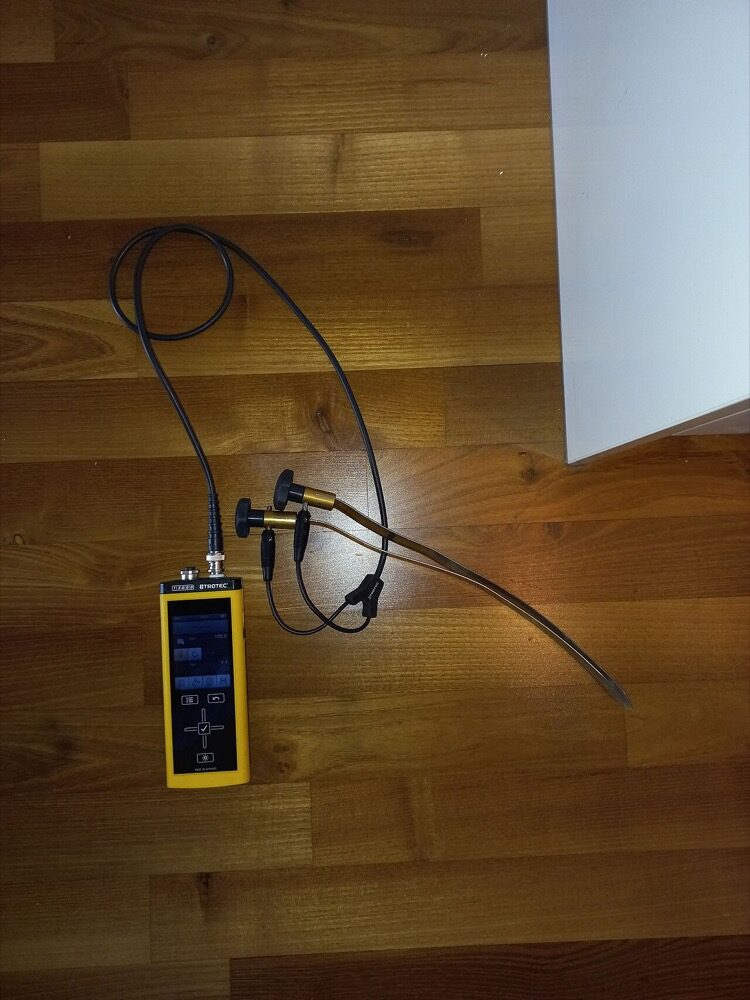
Moisture Meter
Confirms your dried cordyceps has reached a safe, stable moisture level before packaging — prevents mould in storage.
Specs: Basic pin-type meter, or a heat-drying lab moisture analyzer for higher accuracy.
Where to buy: IndiaMART "moisture meter" (basic pin-type ₹680–2,500) or "moisture analyzer" (lab-grade ₹10,000–34,000).
₹680 – ₹34,000Vacuum Sealer + Packaging
Removes air from pouches to extend shelf life and protect the delicate dried fruiting bodies during storage and shipping.
Specs: Table-top single-chamber sealer for small scale; food-grade vacuum pouches.
Where to buy: IndiaMART "vacuum sealer" — table-top units ₹1,840–8,000; commercial chamber sealers ₹23,500–1,20,000 at larger scale.
₹1,840 – ₹8,000Safety & power backup

PPE — Gloves, Masks, Sanitizer
Prevents contamination of your culture and protects you — a non-negotiable daily-use item in a sterile workflow.
Specs: Nitrile gloves, N95 or surgical masks, 70% isopropyl/ethanol sanitizer.
Where to buy: IndiaMART "nitrile gloves" and the general medical-supplies category for bulk masks/sanitizer kits.
₹126 – ₹350/box (100 gloves)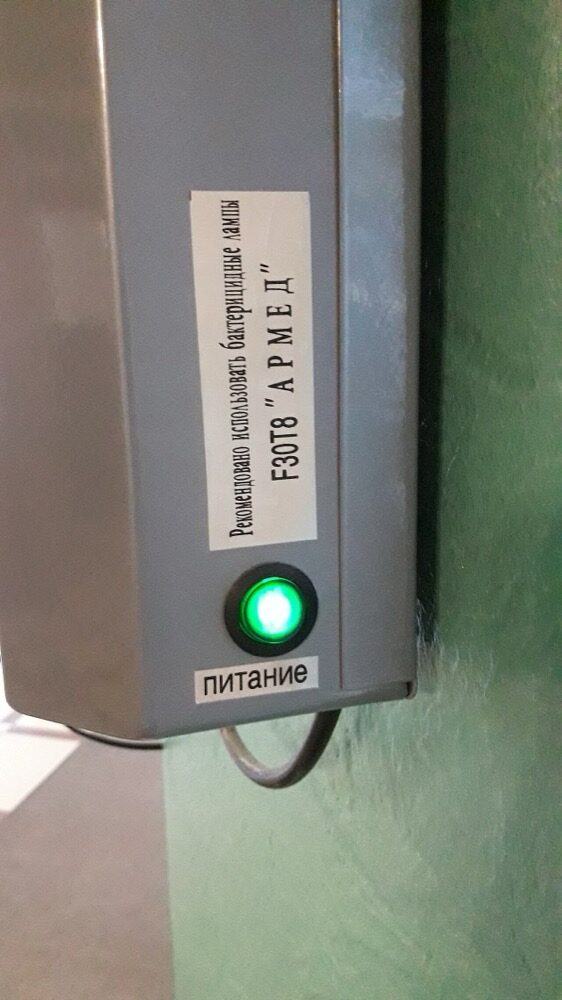
UV Germicidal Lamp
Sterilizes the inoculation/lab area surfaces and air between sessions. Use only when the room is empty — UV-C is harmful to skin and eyes.
Specs: Bare UV-C tube, or a boxed sanitizer cabinet for small tools.
Where to buy: IndiaMART "UV sterilizer" — bare tubes from ₹115–400, boxed/cabinet sterilizers ₹2,500–18,500.
₹115 – ₹18,500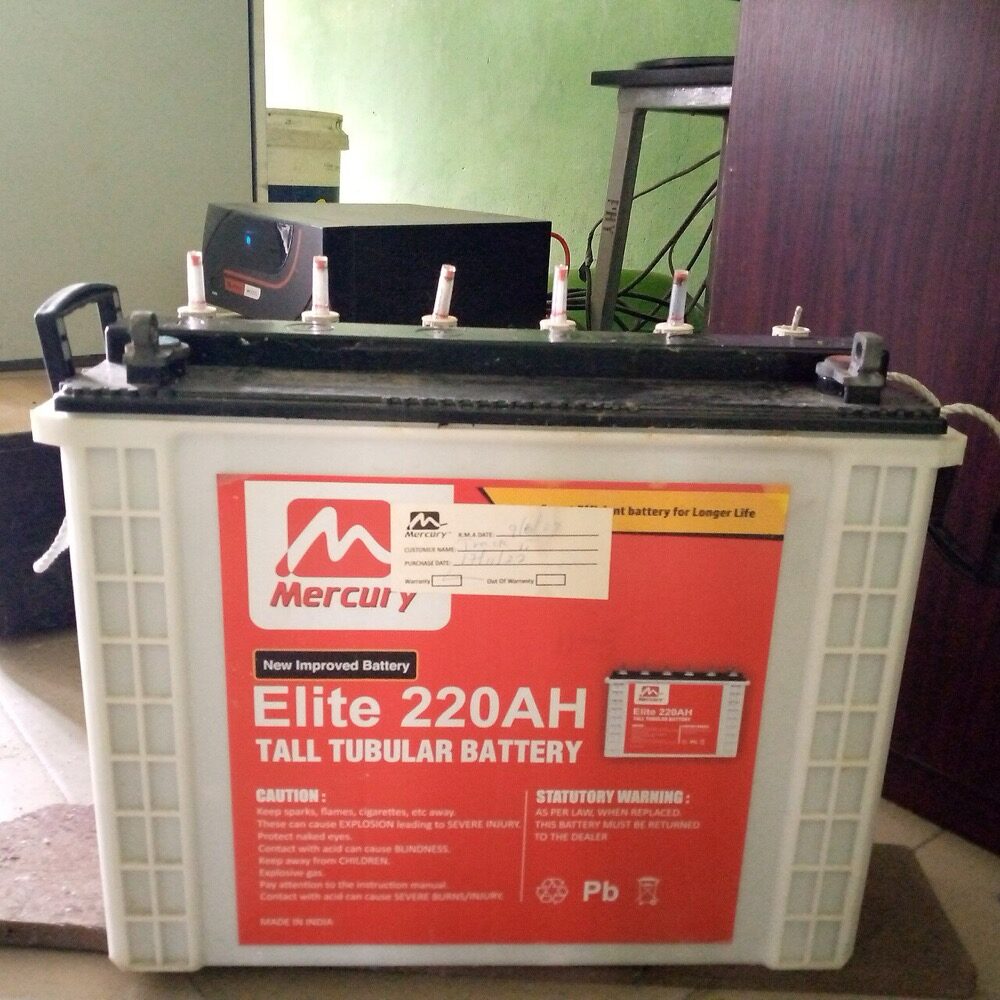
Inverter / UPS (power backup)
Keeps your incubation and fruiting room's controllers running through power cuts — even a few hours without climate control can ruin a batch.
Specs: 1–2 KVA, pure sine wave preferred for sensitive electronics.
Where to buy: IndiaMART "home UPS", or Microtek/Luminous/Exide/Okaya dealers — 1 KVA from ₹5,000, 2 KVA up to ₹35,000+.
₹5,000 – ₹35,000Prices above are indicative ranges compiled from public IndiaMART/TradeIndia listings (2026). They vary by brand, city and season — always request a fresh quote before buying, and be wary of "contact for quote" listings that turn out much higher than expected.
Budget summary
| Category | Low | Mid | High |
|---|---|---|---|
| Sterile lab equipment | ₹32,000 | ₹61,000 | ₹1,58,000 |
| Incubation room | ₹34,000 | ₹53,000 | ₹1,46,000 |
| Fruiting room | ₹23,000 | ₹43,000 | ₹58,500 |
| Harvest & packaging | ₹17,000 | ₹34,500 | ₹63,000 |
| Safety & power backup | ₹6,400 | ₹20,000 | ₹36,000 |
| Total (equipment only) | ₹112,400 | ₹211,500 | ₹461,500 |
This is equipment only. Real small-scale Indian cordyceps businesses (100–200 sq ft, including basic room/civil work) report all-in setup costs of roughly ₹3–5 lakh, scaling to ₹8–12 lakh+ for a larger 1,000–2,500 sq ft unit — budget accordingly for wiring, insulation, flooring and 2–3 months of working capital on top of the equipment above.
Space, electricity & water
Minimum viable space is a single 10×10 ft (100 sq ft) room split into sterile-prep, incubation, fruiting and drying/packing zones; a 20×20 ft (400 sq ft) room is closer to a standard small-commercial setup. A well-insulated 400 sq ft room typically draws 20–40 units/day of electricity in summer (mostly for climate control) and 5–10 units/day in winter — budget roughly ₹60,000–1,50,000/year at this scale. Water use is mainly for substrate preparation and cleaning; a basic RO/water purification unit (₹15,000–25,000 for 25–50 LPH) is worth adding if your local tap water quality is poor.
How long does one crop take to mature?
Colonization (mycelium running through the substrate) takes roughly 7–21 days, followed by 3–6 weeks of fruiting/maturation — a total commonly cited as 45–70 days. India's ICAR-standardized protocol on brown rice substrate reports a more consistent 35–40 days from inoculation to harvest. Expect roughly 6–8 cycles per year per growing space, since each jar or bag is typically used once rather than repeat-flushed.
Realistic yield & revenue — please read before investing
ICAR trials report roughly 12–14 g fresh cordyceps per 500 ml jar; with a typical fresh-to-dry ratio of about 6–7:1, that works out to only around 2 g dried per jar — cordyceps is a low-bulk, high-value crop, not a high-volume one. Domestic lab-grown dried cordyceps has sold anywhere from roughly ₹20,000 to over ₹3,00,000 per kg depending on grade, brand and buyer — one real Delhi-based grower reports selling her own product at around ₹93,000/kg after building a brand over several years.
Important honest caveat: ICAR's own economic analysis of cordyceps cultivation found that small-scale units can show a negative margin of safety — meaning many small operations struggle to reach break-even, while medium and large-scale operations are more financially resilient. Treat any revenue projection as illustrative, validate your own achievable selling price and buyer demand with small batches first, and don't commit large capital before you've proven you can sell what you grow.
Licensing, funding & government schemes
FSSAI: Basic Registration is required once you sell as a food product, if turnover is under ₹12 lakh/year (scaling to a State License between ₹12 lakh–₹20 crore, and a Central License above that or for any e-commerce sale). Cordyceps militaris is classified as a "Non-Specified Food" — selling dried raw fruiting bodies as a food item is workable under a standard FSSAI license, but marketing extracts or making health/medicinal claims may need a separate regulatory dossier (and possibly AYUSH registration).
Funding & subsidies: no scheme is cordyceps-specific, but general mushroom-cultivation schemes apply — NHB (credit-linked, up to 50% subsidy capped at ₹10 lakh), MIDH/NHM (35–50%, plus 10% extra for women/SC-ST applicants in some states), PMEGP (25–35% subsidy on projects up to ₹25 lakh) and MUDRA loans (collateral-free up to ₹10 lakh). NABARD acts as a refinancing channel for banks rather than a direct subsidy source. Apply under the standard "mushroom cultivation" category since no dedicated cordyceps scheme exists.
Do's
- Start small — one room or rack — and validate quality and buyers before scaling up.
- Source your starter culture/spawn from a credible lab (e.g. ICAR-DMR Solan) and ask about subculture generation count.
- Treat this as a lab process: strict sterility discipline at every step, every time.
- Keep detailed batch records — inoculation date, source, contamination rate, yield — to troubleshoot and improve.
- Register for FSSAI before selling as food, and price your product only after checking real local demand.
- Plan for a temperature drop during the fruiting trigger, and provide blue-spectrum light — darkness prevents fruiting.
Don'ts
- Don't skip or shortcut sterilization — contamination (usually green Trichoderma mould) is the #1 cause of failed batches.
- Don't over-subculture your mother culture indefinitely — genetics degrade over repeated subculturing.
- Don't over-hydrate your substrate — excess moisture invites bacterial "wet rot".
- Don't assume this is like growing oyster or button mushrooms — Cordyceps militaris needs closer, lab-like control.
- Don't market it as a "cure" or make medical claims without the right regulatory approval.
- Don't oversize your first investment — small-scale units can struggle to break even; prove the model lean, first.
Frequently asked questions
Can I grow real wild Himalayan Yarsagumba (Ophiocordyceps sinensis) at home or commercially?
No. Wild sinensis has never been successfully commercially cultivated — it depends on a specific Himalayan caterpillar host at high altitude. This guide is about Cordyceps militaris, the farmable cousin used in real Indian cultivation businesses today.
How much money do I need to start?
A bare-minimum DIY equipment set costs roughly ₹1–1.5 lakh. A realistic small commercial unit (100–200 sq ft, equipment + basic room prep) costs ₹3–5 lakh based on real case studies, scaling to ₹8–12 lakh+ for a larger unit.
How long until my first harvest?
35–70 days from inoculation to a mature crop. India's ICAR protocol on brown rice substrate reports a consistent 35–40 days — budget about two months for your first cycle.
How many crops can I grow per year?
Roughly 6–8 cycles per year per growing space, since each jar or bag is generally used once. A light second flush is possible but yields significantly less, so most growers restart fresh jars each cycle.
How much does each jar yield?
Indicative figures from ICAR trials suggest roughly 2 g dried cordyceps per 500 ml jar, though this varies heavily by strain and conditions — treat any yield figure as illustrative, not a guarantee.
What is the biggest cause of failed batches?
Contamination — usually green mould (Trichoderma) from inadequate sterilization or careless inoculation technique, often appearing around day 30.
Do I need a laminar flow hood?
Not at small scale. A still air box (₹1,700–3,500) is sufficient for most home and small commercial operators; a laminar flow cabinet becomes worthwhile only at larger scale.
Where do I get genuine Cordyceps militaris culture or spawn?
ICAR-Directorate of Mushroom Research (Solan, Himachal Pradesh) offers paid hands-on training and authentic strains. If buying from a commercial supplier, ask about their subculture generation count — genetics degrade with repeated subculturing.
Do I need an FSSAI license?
Yes. FSSAI Basic Registration is required if turnover is under ₹12 lakh/year, scaling to a State or Central License above that — required before selling as a food product.
Can I claim medicinal or health benefits when selling?
Be cautious. Cordyceps militaris is classified as a "Non-Specified Food" under FSSAI, and health claims may need separate regulatory approval (an NSF dossier and possibly AYUSH registration). Stick to describing it as a traditional wellness food.
Are there government subsidies for this business?
Generic mushroom-cultivation subsidies exist — NHB (up to 50%, capped at ₹10 lakh), MIDH (35–50%), PMEGP (25–35%, up to ₹25 lakh project cost) and MUDRA loans (collateral-free up to ₹10 lakh). No cordyceps-specific scheme exists; apply under the standard "mushroom cultivation" category.
What price can I sell dried cordyceps for?
Domestic lab-grown dried cordyceps has sold anywhere from roughly ₹20,000 to over ₹3,00,000 per kg depending on grade, brand and channel. Treat any number as illustrative — research your own local market before committing capital.
Is this business guaranteed to be profitable?
No. Government (ICAR) economic analysis found small-scale units can face a negative margin of safety, meaning many small operations struggle to break even. Prove your process and secure buyers at small scale before investing heavily.
Want a head start?
Skip the lab setup with our beginner-friendly home grow kit — sterilized substrate, live culture and guide included.
Shop grow kits